Fabrics Most at Risk of Shrinkage and What to Do About It
Article Written by Cleaner Marketing
|
February 6, 2026
Table of Contents
Shrinkage shows up in small but frustrating ways. A sweater fits fine before washing, then feels snug after. A soft knit becomes tighter, or a shirt seems slightly smaller with each cycle. Have you ever wondered why this keeps happening even when you’re careful? Perhaps you weren't aware yet that shrinkage often starts with the fabric itself, not with something you did wrong.
This post is a must-read for anyone who wants to avoid accidental shrinkage by knowing which fabrics are most at risk and the laundry mistakes to avoid.
Natural Fabrics That Shrink Easily
Natural fabrics feel great to wear, but they react strongly to water, heat, and movement. These fibers expand when wet and tighten when exposed to heat, which is why shrinkage often occurs after washing or drying.
Why Cotton Changes Size So Easily
- Wash in cold water to limit fiber swelling
- Use low or no heat when drying
- Remove items when slightly damp and let them finish air drying
Cotton doesn’t require special treatment, but it does perform best with consistent, low-stress care.
Why Wool Also Shrinks Faster
Wool fibers have tiny overlapping scales that react to heat, moisture, and friction. When those elements combine, the scales lock together, tightening the fabric and reducing its size.
Smart wool-care habits include:
- Avoid machine washing unless labeled washable
- Skip the dryer entirely
- Choose professional dry cleaning for structured or fine wool
This is where dry cleaning really proves its value, since solvent-based cleaning prevents the fiber swelling that causes wool to contract.
Why Linen Still Shrinks Despite Its Strength
Linen is durable, but its stiff flax fibers tighten when exposed to heat. Shrinkage usually happens early, often during the first wash, if temperatures are too warm.
Best practices for linen garments:
- Cold water washes only
- Gentle spin cycles
- Air drying or very low heat
Linen holds its size best when treated gently from the very first wash.
Blended Fabrics That Are Still Prone to Shrinkage
Blended fabrics are often marketed as “easier to care for,” and in many cases, that’s true. But blends aren’t automatically shrink-proof, especially when natural fibers are part of the mix.
Why Cotton Blends Can Still Shrink
Cotton-polyester blends shrink less than pure cotton, but the cotton fibers still react to heat and water. Over time, repeated exposure can cause gradual size loss, especially in fitted garments.
How to manage cotton blends:
- Stick to cold water cycles
- Avoid high-heat drying
- Don’t assume “durable” means “heat-safe”
Why Wool Blends Need Extra Caution
Wool blends may feel more forgiving, but wool fibers still behave like wool. Even a small percentage can cause shrinkage if washed improperly.
Safer care choices include:
- Gentle cycles only, if washing is allowed
- Minimal agitation
- Dry cleaning for tailored or structured pieces
For wool blends, professional dry cleaning is usually the option that prevents shrinkage rather than causes it. Treat them with the most sensitive fiber in mind, and they’ll retain their shape for much longer.
Common Washing and Drying Mistakes That Cause Shrinkage
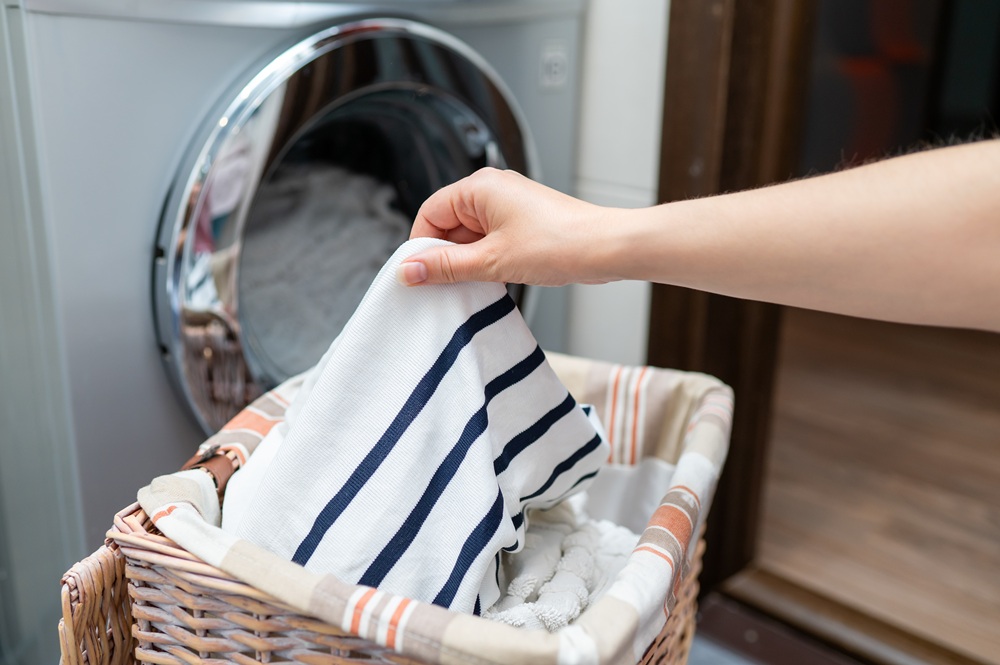
Most shrinkage doesn’t happen because the clothes are low quality. It happens because of small, everyday habits. Heat settings, water temperature, and machine motion all add up faster than people realize. Once shrinkage sets in, it’s usually permanent.
Why Hot Water Is a Problem
Hot water relaxes fibers too aggressively, especially in natural fabrics. This makes them vulnerable to tightening as they dry.
Better alternatives:
- Cold water for most loads
- Warm water only when necessary
- Spot-treat stains instead of raising wash temperatures
Lower water temperature protects both size and fabric integrity.
Why High Heat Drying Causes the Most Damage
Dryers lock in shrinkage. Even if washing goes smoothly, high heat can undo all that care in one cycle.
Smarter drying habits:
- Use low heat or tumble dry
- Remove items early
- Let garments finish drying naturally
Heat control is one of the most effective tools to prevent shrinkage.
Why Over-Agitation Makes Fabrics Tighten
Heavy agitation causes fibers to rub against one another and compress. This is especially risky for wool, linen, and blends.
How to reduce agitation:
- Use gentle or delicate cycles
- Avoid overloading the machine
- Separate heavy items from lighter fabrics
Shrinkage usually happens gradually. Small adjustments to washing and drying habits can prevent most size changes entirely.
How to Prevent Shrinkage at Home
Preventing shrinkage doesn’t require special products or complicated routines. It comes down to consistency, temperature control, and knowing when to stop doing more. Once you build these habits, they become second nature.
How Cold Water Protects Fabric Size
Cold water limits fiber swelling and reduces stress during washing. It’s safe for most everyday garments and helps maintain original dimensions.
Cold-water benefits include:
- Less fiber expansion
- Reduced color fading
- Lower shrink risk across fabric types
Cold washes are the foundation of shrink prevention.
How Gentle Cycles Reduce Fabric Stress
Gentle cycles limit movement, friction, and compression. This is especially helpful for knits, blends, and lightweight materials.
Use gentle cycles for:
- Sweaters
- Linen garments
- Blended fabrics
Why Air Drying Is So Effective
Air drying removes heat from the equation entirely. It’s the safest option for garments that tend to shrink.
Best air drying tips:
- Lay knits flat
- Hang structured items carefully
- Avoid direct sunlight for delicate fabrics
Skipping the dryer often prevents shrinkage altogether.
When Dry Cleaning Is the Safer Choice
Dry cleaning avoids water and heavy agitation, making it ideal for shrink-prone fabrics. For wool, silk, blends, and tailored pieces, it offers controlled cleaning without fiber stress. Control the temperature, the movement, and the method, and your clothes will keep their original fit far longer.
Save Your Clothes From Laundry Mistakes – Get Professional Garment Care at Craft Cleaners
When it comes to fabrics that shrink easily, the biggest challenge is knowing when home care is enough and when professional cleaning is the safer option. That uncertainty is common, especially with wool, linen, blends, and structured garments.
At Craft Cleaners, we provide expert dry cleaning in Princeton, New Jersey, using eco-friendly techniques designed to protect delicate fabrics and maintain proper fit. With years of experience and a careful approach, we help garments stay crisp, vibrant, and wearable for the long term. We also offer FREE Pickup and Delivery Service, which makes professional care convenient.
For garment care you can trust, contact Craft Cleaners at 609-924-3242 and experience quality dry cleaning.
Related Articles from the same category:
30%
OFF
DRY CLEANING ONLY
* NEW CUSTOMER OFFER
*Requires complete customer information
(address, email, and cell phone) to qualify for 30% off.
(address, email, and cell phone) to qualify for 30% off.
Location